
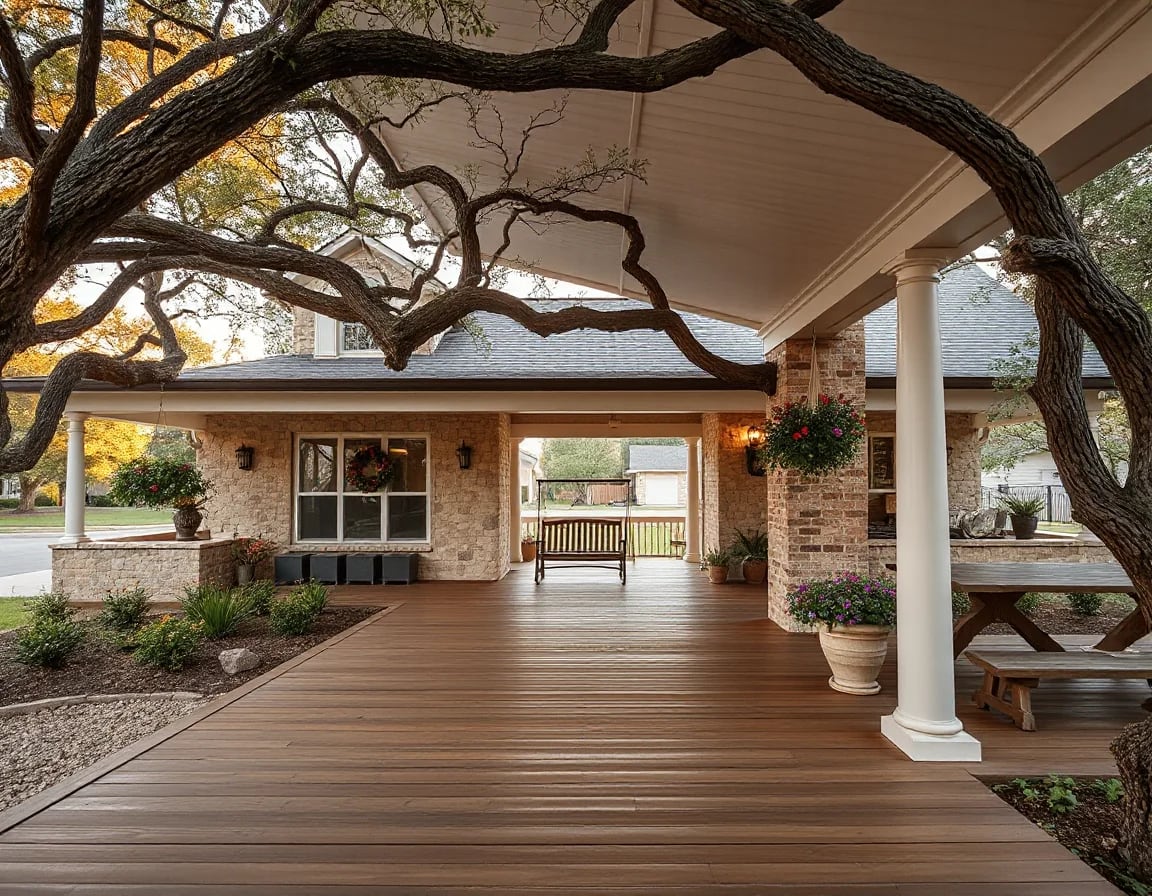
A $750K-plus purchase in Alamo Heights deserves more than a quick review of finishes and square footage. This checklist helps buyers evaluate the details that can shape ownership costs, renovation plans, daily use, and resale flexibility—from lot conditions and municipal rules to inspection findings and contract protections. Bring these questions to every showing so an appealing home also becomes a well-supported decision.
Start With the Property, Not the Price Tag
At this price point, a polished presentation can make it easy to focus on visible upgrades: stone counters, designer lighting, refreshed landscaping, or a renovated primary suite. Those features matter, but they are only one layer of due diligence. In Alamo Heights, homes may combine established construction, mature trees, distinctive architectural details, and additions completed over different decades. A careful buyer looks beyond the current staging to understand how the house functions, what has been updated, and what may still require attention.
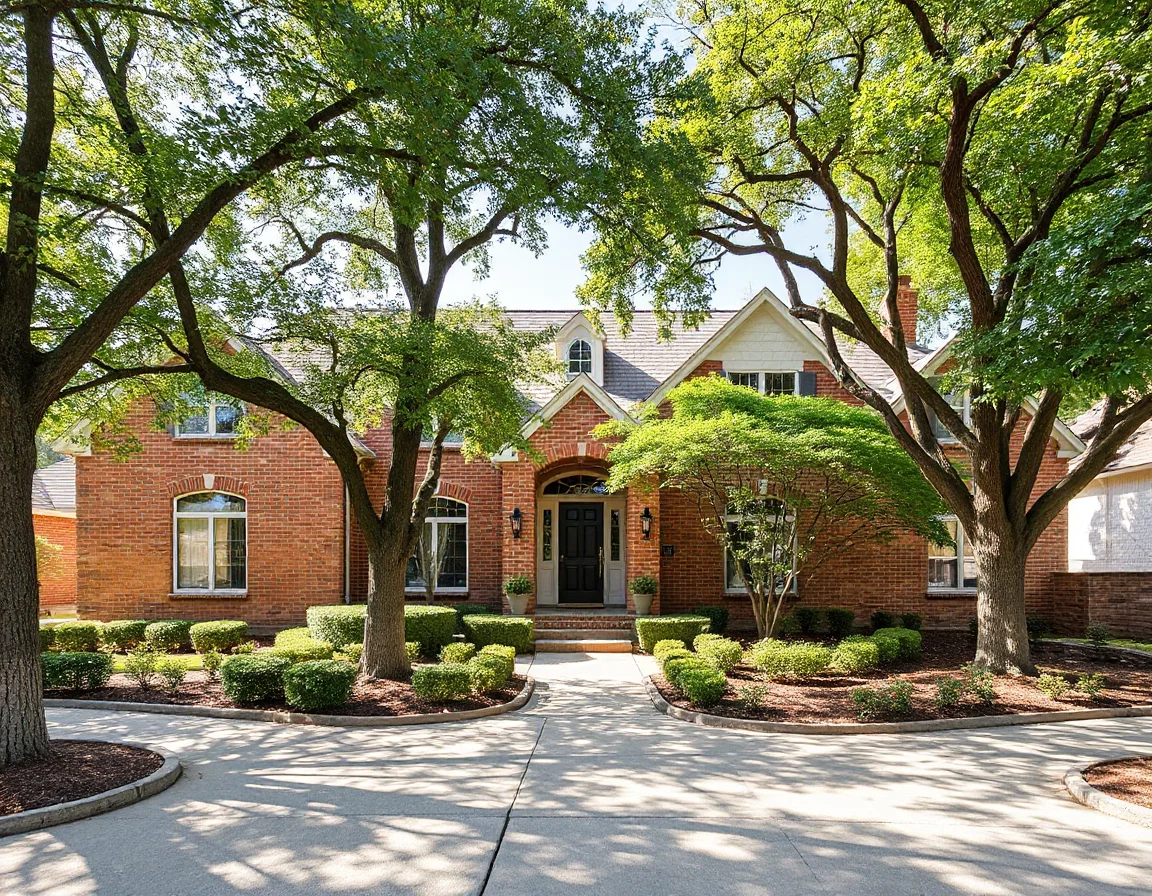
Begin with the basics that are hardest to change: lot dimensions, drainage patterns, driveway access, roof age, foundation performance, utility locations, and the relationship between the home and neighboring structures. Ask for the seller’s disclosure, a list of improvements, available permits, warranties, and records for major systems. If an addition, garage conversion, guest space, or outdoor structure is part of the home’s appeal, confirm its intended use, approvals, and connection to the main utilities.
Square footage also deserves a closer look. Public records, appraisal district data, prior listings, and an owner’s measurements do not always match precisely, particularly where enclosed patios, converted areas, or older additions are involved. Have your agent help compare available documentation, and use the appraisal and inspection periods to clarify meaningful discrepancies. A home can still be an excellent fit, but knowing what is included in the reported living area supports more confident pricing and planning.
A memorable renovation should prompt practical questions: when was the work completed, who performed it, were permits required, and which systems were updated behind the walls?
It is also useful to separate cosmetic projects from capital projects. Repainting cabinetry or changing fixtures is very different from replacing sewer lines, regrading a yard, repairing a foundation, or upgrading an aging electrical panel. Create a simple post-closing budget with “must address,” “monitor,” and “personal preference” categories. That list can keep the purchase decision anchored in the home’s full ownership picture rather than its first impression.
Inspect the Systems That Support Everyday Ownership
A general home inspection is a central part of due diligence, not a substitute for it. The inspector’s report can help identify visible conditions involving the structure, roof, HVAC equipment, plumbing, electrical components, insulation, drainage, and built-in appliances. Read the report carefully, attend the inspection when possible, and ask the inspector to distinguish between routine maintenance, recommended repairs, and conditions that warrant evaluation by a licensed specialist.
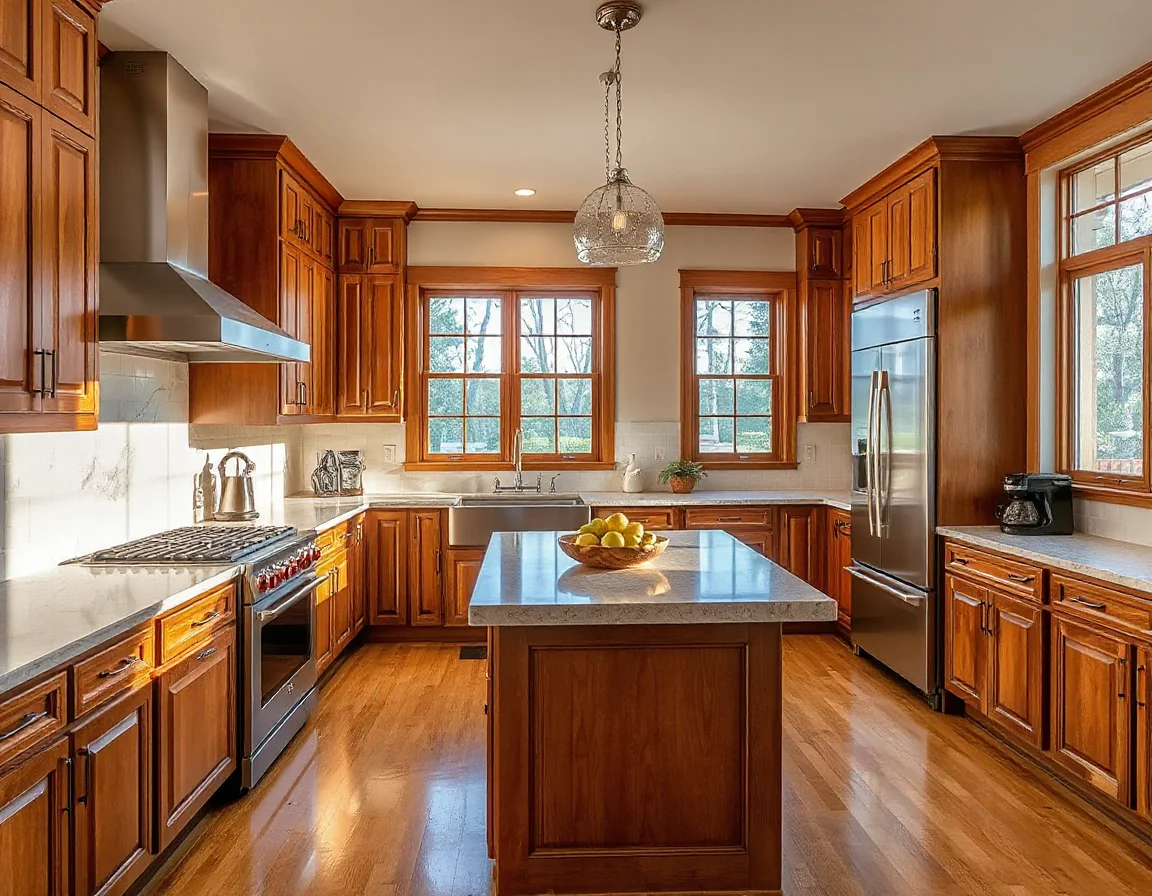
For a higher-value purchase, specialist inspections can be a prudent next step when the general inspection points to a concern. Depending on the property, buyers may consider a structural engineer, foundation professional, roofer, sewer-scope provider, electrician, pool technician, chimney specialist, arborist, or HVAC contractor. The goal is not to assume the worst; it is to convert unanswered questions into documented information before deadlines pass.
Texas weather makes exterior systems especially important to review. Look at roof condition and drainage routes, including gutters, downspouts, grading, and areas where water may collect near the home. Mature trees add considerable character and shade, yet their placement, root zones, limb condition, and proximity to structures deserve an informed review. If a property includes a pool, outdoor kitchen, irrigation system, generator, or extensive hardscape, request maintenance records and test the systems during the option period where feasible.
Do not overlook operating costs. Ask for recent utility bills when available, then consider how the home’s orientation, window condition, insulation, HVAC age, pool equipment, and irrigation may influence ongoing expenses. A larger home with upgraded systems can be more predictable to operate than a smaller home with deferred maintenance. The relevant comparison is not simply size—it is condition, efficiency, and the quality of the supporting equipment.
Use the option period to gather estimates, not just observations. A written quote can help turn an inspection note into a realistic repair or maintenance decision.
Verify Location Details and Future Plans
Location due diligence is most useful when it is specific. Review the property’s access points, traffic patterns at different times of day, nearby public amenities, drainage features, and any visible construction activity. Visit more than once if possible. A weekday morning, an evening, and a weekend visit can reveal different parking conditions, road noise, light exposure, and activity around the immediate block.
Buyers should independently confirm school assignment information, if relevant to their planning, directly with the appropriate district because boundaries and enrollment policies can change. The same approach applies to municipal services, trash collection, utility providers, zoning, and planned public projects. For properties close to commercial corridors, parks, institutions, or major roads, review publicly available planning information and ask informed questions about access, construction, and future land use.
In established areas, municipal requirements can affect what is possible after closing. Before assuming that an addition, fence, detached structure, tree removal, or major exterior change will be straightforward, check applicable city regulations, deed restrictions, easements, and permit procedures. A survey is particularly valuable here: it can identify lot lines, utility easements, encroachments, and improvements near boundaries. If the survey is older, consult your contract and title team about whether an update is appropriate.
Make the Contract Work for Your Questions
In a competitive segment, buyers may feel pressure to make an offer quickly. Speed and diligence do not have to be opposites. Before writing, identify the questions that could change your decision: inspection scope, financing requirements, appraisal considerations, title matters, survey review, repair priorities, and the timing needed to investigate them. Your contract terms should provide a practical path to get answers.
Appraisal deserves particular attention when a home has unusual features, significant updates, a distinctive lot, or limited recent comparable sales. An appraisal is an opinion of value for lending purposes, and it may not mirror a buyer’s personal preference or every dollar invested in improvements. Review comparable properties with care, considering condition, location, lot utility, renovation level, and sale date rather than relying on a simple price-per-square-foot figure.
Title review is another essential checkpoint. Read the title commitment, exception documents, and survey materials rather than treating them as paperwork to file away. Questions about access, restrictions, easements, mineral interests, or boundary matters are best raised early with qualified professionals. If a home is subject to an owners association, review governing documents, budgets, fees, rules, and any available information about pending assessments before the option period ends.
Finally, keep a decision file. Save disclosures, inspection reports, contractor opinions, estimates, survey notes, photographs, and email summaries in one place. This record helps you compare properties consistently and can become useful after closing when planning maintenance or improvements. The strongest purchase decisions are rarely based on one dramatic discovery; they are built from a series of clear, documented answers.
A Confident Purchase Is a Well-Documented One
Alamo Heights offers a varied collection of homes, streetscapes, and property conditions, which is exactly why individualized due diligence matters. A buyer at $750K and above is not simply selecting finishes or a location; they are evaluating the condition, constraints, operating profile, and long-term flexibility of a specific property. Take the time to inspect thoroughly, verify independently, and place the right contingencies around the questions that matter most. With a disciplined checklist, the home that captures your attention can also earn your confidence.