
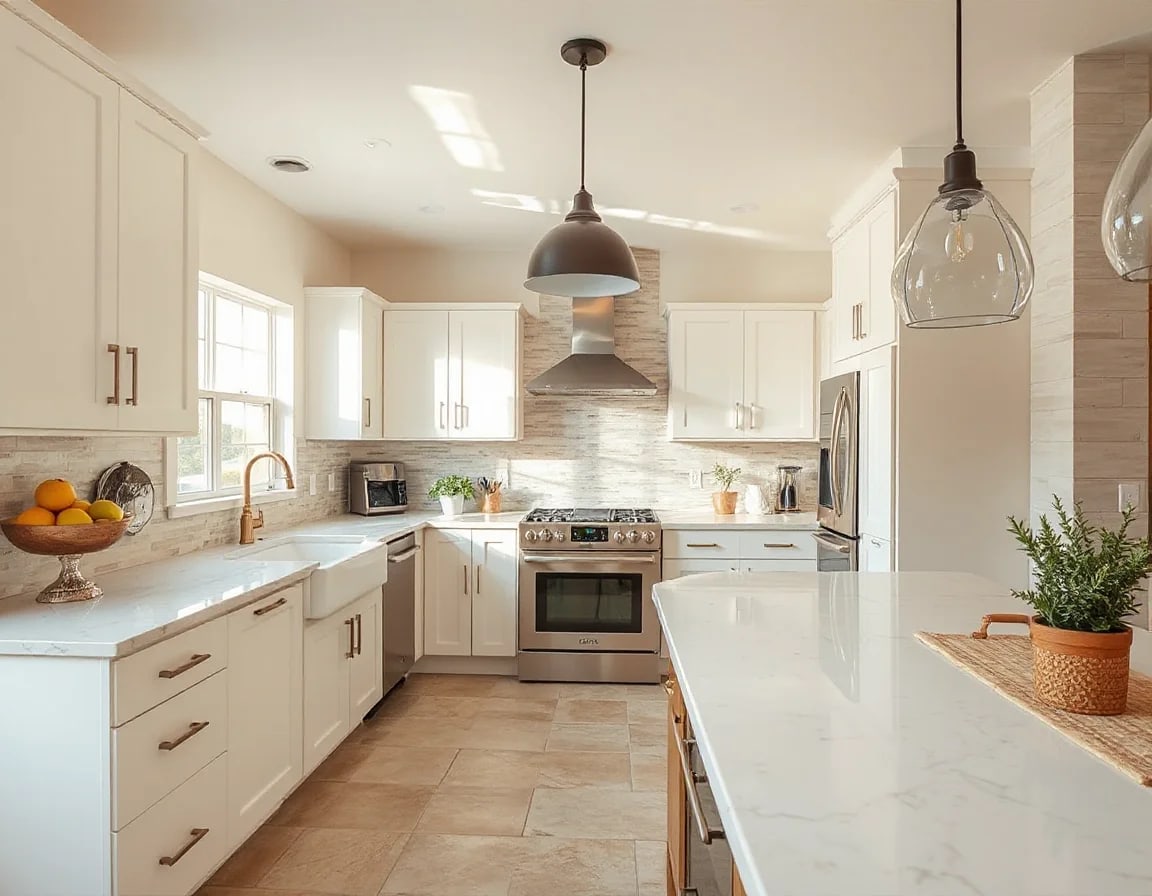
A strong Terrell Hills listing begins well before photography, showings, and a sign in the yard. These five practical seller moves help protect perceived value by making the home easier to evaluate, easier to compare, and more compelling from the first online impression through the final walkthrough.
1. Start With a Clear Value Strategy
Before choosing paint colors or packing a single box, begin with the numbers. A thoughtful pricing strategy considers the home’s condition, lot, updates, architecture, location, and the active competition buyers can see right now. Recent closed sales are useful context, but they are not a one-size-fits-all answer; an updated residence, a distinctive floor plan, or a carefully maintained outdoor space can change how a property should be positioned.

Price is not simply a number attached to a property. It is a message about condition, preparation, and market position. When a home enters the market at a level supported by current evidence, buyers can focus on its features rather than wondering whether they must wait for a reduction. That early attention matters because the first days on market are often when listing alerts, saved searches, and new-showing activity are most concentrated.
Ask for a review that compares more than square footage and bedroom count. Look at finish level, date and scope of renovations, lot usability, garage or parking configuration, outdoor amenities, and the overall presentation of nearby listings. A seller who understands where the property sits in the current selection can make better decisions about improvements, timing, and negotiation.
The goal is not to chase the highest possible list price on paper; it is to position the home so its condition and features make immediate sense alongside the listings buyers are viewing that week.
A pre-listing value discussion also helps establish a realistic preparation budget. Rather than spending broadly, sellers can prioritize the items most likely to affect the first impression and reduce questions during inspections. This measured approach protects both time and resources while keeping the listing focused on its strongest attributes.
2. Repair the Small Issues Buyers Notice First
Small deferred-maintenance items can create a larger impression than their cost suggests. A dripping faucet, loose cabinet pull, worn weatherstripping, burned-out exterior light, stained grout line, or sticking door may seem minor in isolation. During a showing, however, several little issues can make a home feel less consistently maintained, even when the larger systems and improvements are sound.
Walk through the property with fresh eyes and a simple checklist. Test doors, drawers, locks, fans, switches, window coverings, faucets, and appliances that will remain with the home. Look carefully at baseboards, ceiling corners, caulking, tile transitions, and visible exterior elements. Addressing straightforward repairs before photography creates a cleaner visual story and reduces distractions during showings.
For larger questions—such as roof condition, HVAC performance, drainage, foundation observations, or aging mechanical systems—consider obtaining qualified advice early. The purpose is not to promise perfection. It is to understand the home’s condition, gather documentation where appropriate, and avoid being caught off guard when a buyer’s inspector reviews the property.
3. Edit Each Room for Light, Flow, and Function
Preparing a home does not require removing every trace of daily life. It does mean helping visitors understand the scale, light, and intended use of each room quickly. Clear pathways, simplified surfaces, and well-placed furnishings allow architectural details to take the lead. A room feels more usable when its purpose is obvious and the eye can move through it without interruption.
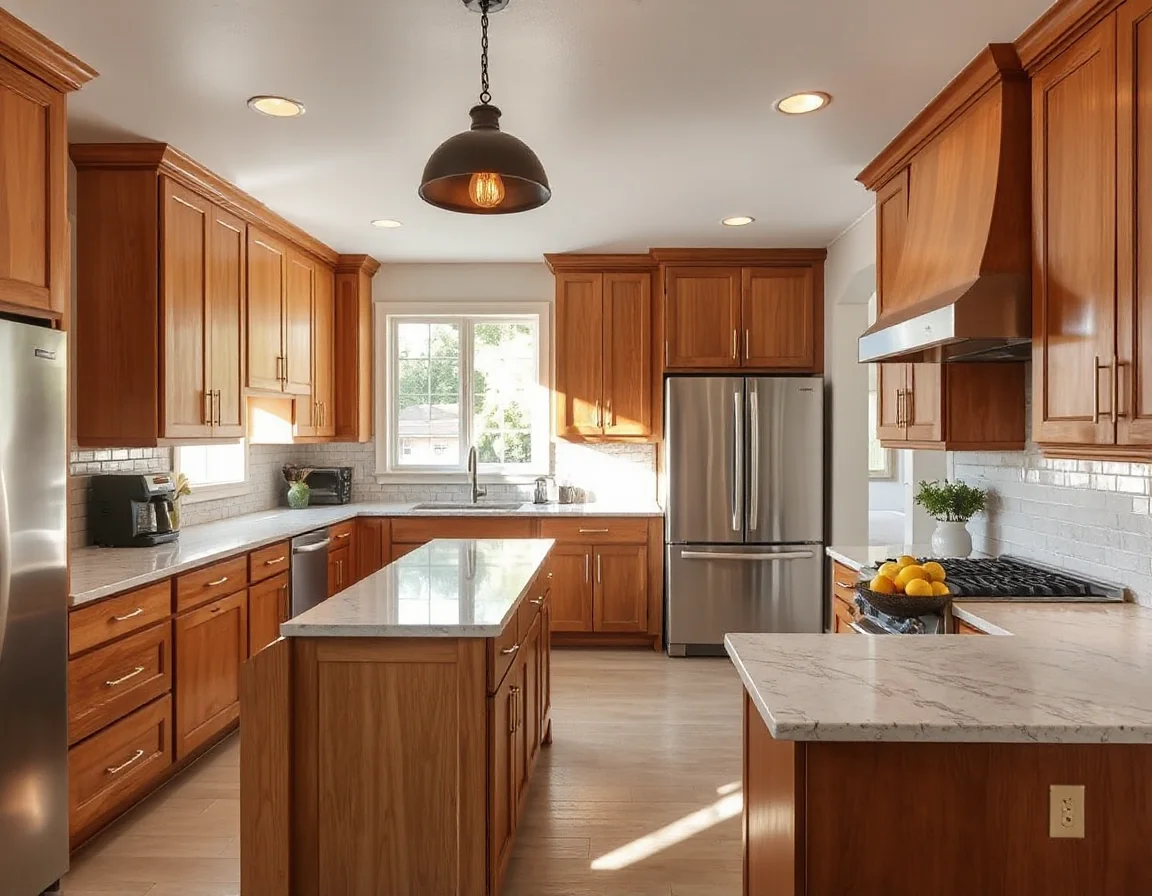
Start with the spaces that appear first in listing photography and showings: the entry, living areas, kitchen, primary bedroom, and outdoor gathering spaces. Remove excess countertop appliances, personal collections, oversized furniture, and storage items that narrow a room visually. Then add back a few intentional details—fresh towels, a restrained tabletop arrangement, neatly folded throws, or a simple bowl of fruit—to keep the result welcoming rather than empty.
Light is especially important. Open window treatments where privacy allows, replace mismatched bulbs, and use consistent color temperature throughout the home. Warm, even lighting can make finishes read more accurately in photographs and reduce harsh shadows during afternoon or evening showings. Clean windows and mirrors also contribute more than many sellers expect.
Storage deserves the same attention. Buyers commonly open closets, cabinets, and pantry doors to understand capacity. Aim for orderly rather than full: donate, pack, or temporarily relocate items so shelves and hanging areas demonstrate usable space. This is one of the most economical ways to improve a home’s day-to-day showing experience.
Pack early with the move in mind: labeled boxes and a short-term storage plan can improve presentation now while making the eventual transition more efficient.
4. Treat Exterior Presentation as the Opening Chapter
The approach to a home sets expectations before anyone reaches the front door. In Terrell Hills, mature trees, established landscaping, and distinctive residential architecture are often part of the visual setting, so curb appeal should feel orderly and intentional without becoming overly styled. Trim overgrowth away from walkways, refresh mulch where needed, remove yard clutter, and make sure the entry is clean and easy to access.
Pay attention to details that are easy to miss after living in a home for years: house numbers, door hardware, porch fixtures, mailbox condition, irrigation overspray, cracked planters, and outdoor furniture. A freshly cleaned front door, a maintained threshold, and functioning exterior lighting communicate care in a matter of seconds. If the property includes a patio, pool area, or garden, present it as a usable extension of the home by clearing leaves, storing maintenance equipment, and arranging furnishings with simple purpose.
Professional listing photography works best when the property is ready before the camera arrives. Coordinate mowing, pool service, window cleaning, and final touch-ups in advance. The goal is not to create an unrealistic version of the home; it is to make sure the first image accurately captures the property at its best.
5. Build a Showing Plan That Protects Momentum
Once the listing is live, consistency matters. Sellers can protect the work they have completed by creating a simple showing routine: beds made, counters cleared, lights checked, pets accommodated appropriately, and valuables secured. A home does not need to look staged every hour of the day, but it should be ready to show with reasonable notice whenever possible.
Keep a concise folder of helpful property information for interested buyers: dates of significant updates, manuals and warranties for transferable items, service records, surveys if available, utility information, and a list of features that may not be obvious at first glance. Clear documentation supports informed decisions and can keep conversations focused on the home’s genuine strengths.
Finally, be prepared to review feedback with perspective. Comments may reveal an issue worth addressing, a feature that needs better explanation, or a pricing conversation that should be revisited. Not every opinion calls for a change, but patterns deserve attention. A responsive, well-managed launch gives a Terrell Hills home the best opportunity to make a confident impression and preserve value throughout the selling process.